logo-学术网站-2022.10.13-08-100x91.png)
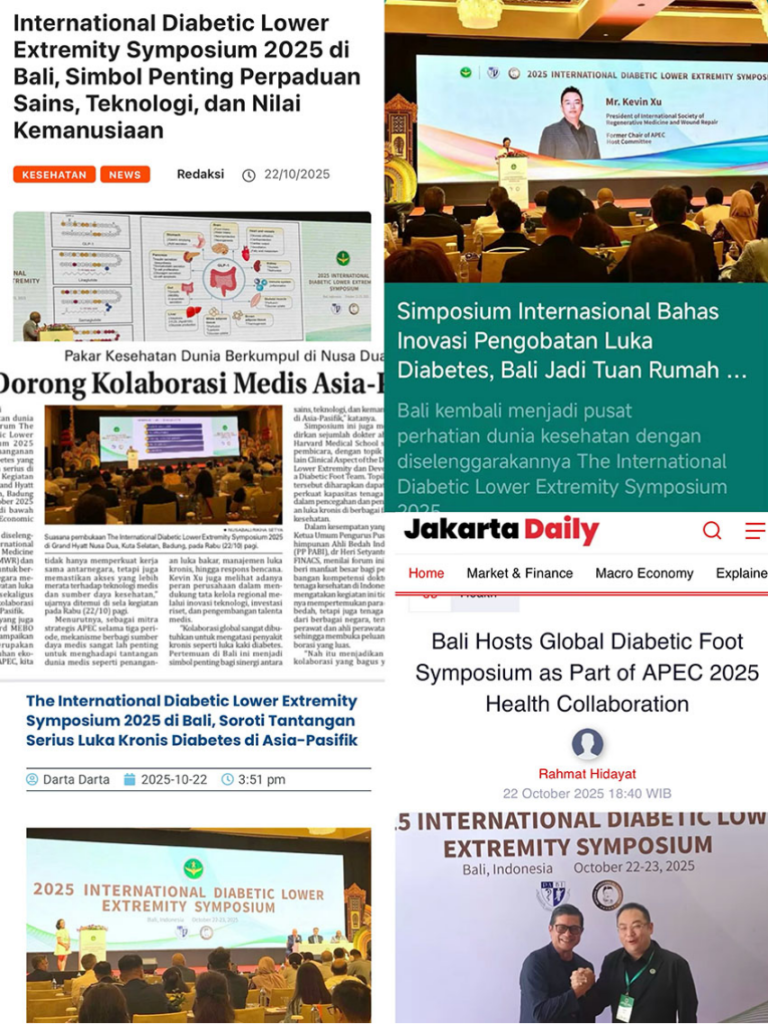
From October 22nd to 23rd, 2025, International Diabetic Lower Extremity Symposium (IDLES), hosted by the International Society of Regenerative Medicine and Wound Repair and co-organized by the Indonesian General Surgeons Society and National Rongxiang Xu Foundation, was successfully held in Bali, Indonesia. The symposium focused on academic innovation in diabetic foot ulcer and gathered over 300 experts from more than 20 countries including China, the United States, the United Kingdom, Indonesia, and New Zealand. Through multiple specialized sessions and international dialogues, participants explored new approaches to diabetic foot ulcer treatment.
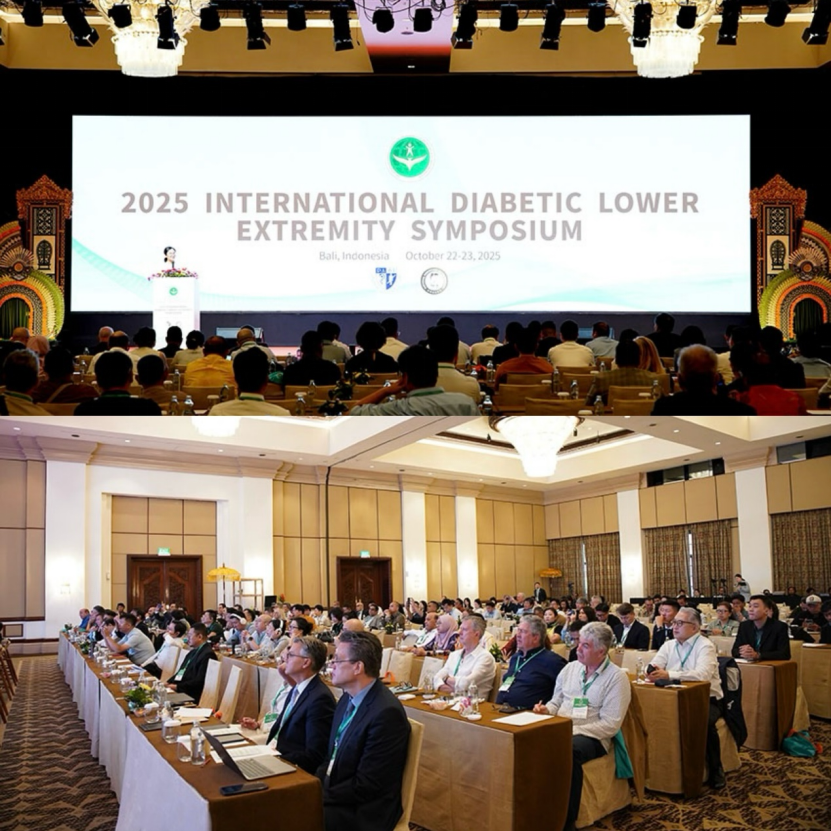
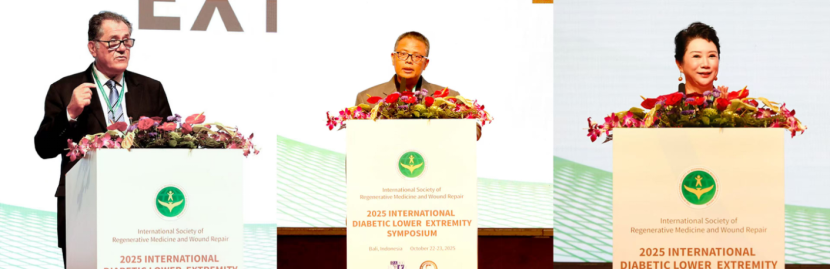
The symposium opened with a traditional Indonesian welcome dance. Professor Aristidis Veves, President of 2025 IDLES, Director of the Rongxiang Xu, MD Center for Regenerative Therapeutics at Harvard Medical School; Professor Heri Setyanto, President of the Indonesian General Surgeons Society; Dr. Li Li, Chairman of National Rongxiang Xu Foundation, delivered opening speeches, recognizing the symposium’s key role in promoting innovation in diabetic foot ulcer treatment and strengthening global academic collaboration.
Over the two days, the symposium held 10 specialized sessions covering the full chain of diabetic foot ulcer diagnosis and treatment. Experts delivered keynote presentations on treatment pathways, multidisciplinary collaboration, advanced therapeutic technology research and applications, country-specific opportunities and challenges in wound care and the latest clinical trial results.

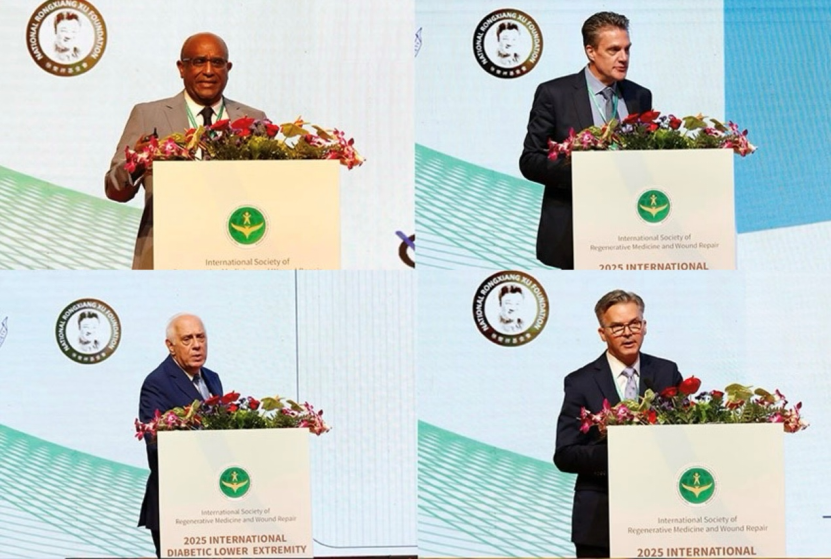
At the main venue, Professor Solomon Tesfaye first analyzed “Pathways to Amputation: Can Diabetic Peripheral Neuropathy be Reversed by Emerging Treatments?”; Professor Marc Schermerhorn detailed the new diagnostic guidelines for peripheral arterial disease in diabetic foot ulcer; and Professor John Giurini focused on “The Road to Limb Salvage: The Podiatrist’s Role”, sharing key clinical experience. Subsequently, Professor Aristidis Veves discussed new treatment directions for diabetic foot ulcer based on pathophysiology; Professor Thanh Dinh analyzed surgical treatment approaches; Professor Mark Wyers introduced minimally invasive options for diabetic foot revascularization; and Professor Sammy Dowlatshahi systematically reviewed the reconstruction ladder, sparking lively discussion.
During the critical phase of 2025 APEC, the symposium specially held an “APEC Dialogue” session. Experts from China, New Zealand, and Indonesia presented on national wound care practices, further strengthening regional medical exchange and cooperation.
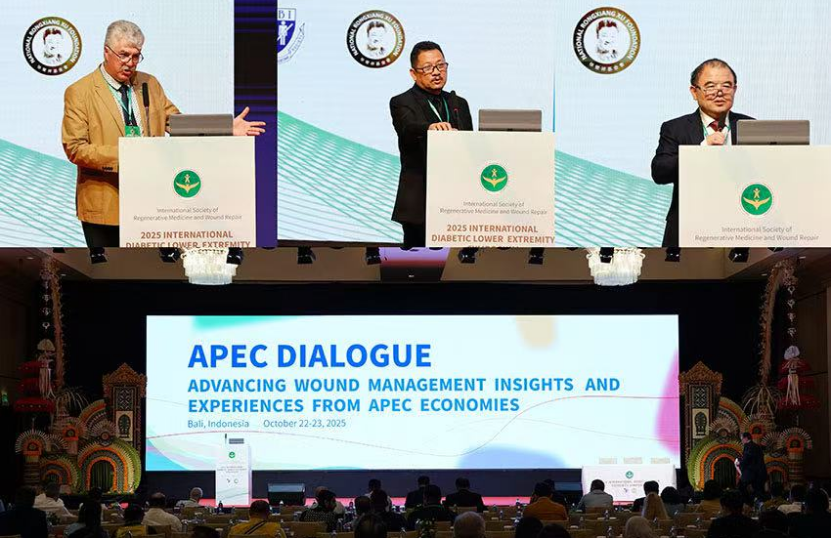
In addition to the main venue, the symposium introduced Indonesia and China sessions for the first time, precisely addressing regional clinical needs. In the Indonesia session, experts shared experiences of applying regenerative medical technology to wounds in tropical regions and promoted simplified protocols adapted for primary care. In the China session, multiple experts shared results on integrative prevention and treatment of diabetic foot ulcer, limb-salvage strategies, providing a “China solution” for global wound care.
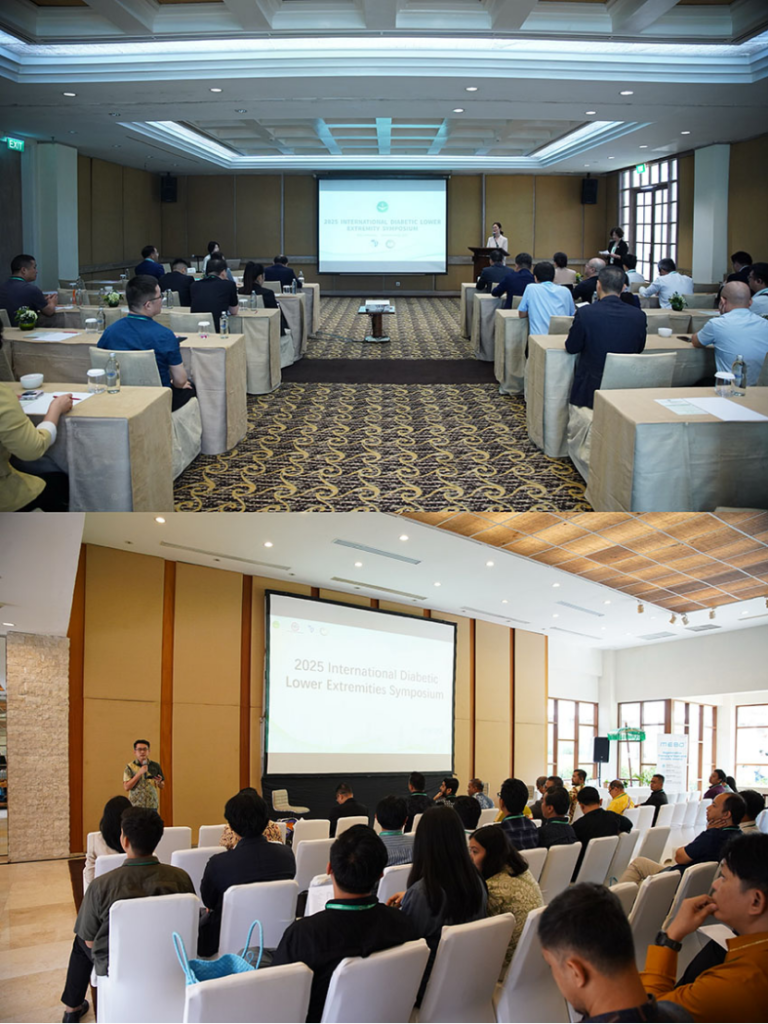
With its targeted sessions, in-depth international dialogue, and rich academic content, the symposium not only offered new methods and ideas for diabetic foot treatment worldwide but also strengthened medical collaboration among APEC economies through the APEC dialogue, laying a solid platform for regional technology implementation and global academic exchange.